
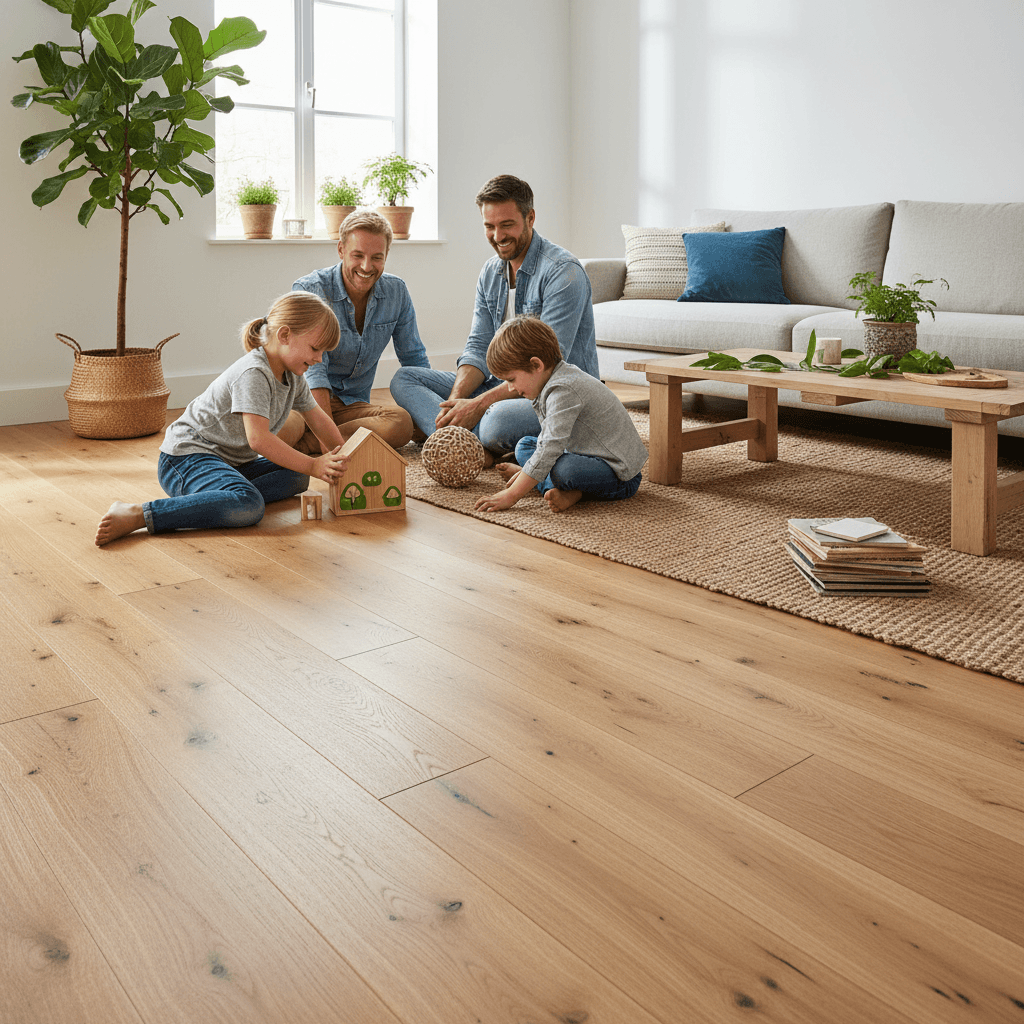
As homeowners, we often consider many factors when updating our living spaces. We think about aesthetics, durability, and cost. But an increasing number of us are also looking towards choices that benefit the environment and our long-term health. This shift in mindset brings sustainable flooring options into the spotlight.
I have seen firsthand how these choices can truly transform a home. They offer more than just a beautiful surface for your feet. Sustainable flooring brings a range of benefits that extend from personal well-being to a healthier planet. It is about making smart decisions that align with our values for a better future.
Today, I want to explore why sustainable flooring is a fantastic option for any home. We will look at its many perks. This includes how it helps the environment, improves indoor air quality, and even adds long-term value to your property. Discover the Perks of Sustainable Flooring for Your Home and see how these choices can make a real difference.
Understanding Sustainable Flooring and Its Environmental Benefits
When I talk about sustainable flooring, I am referring to materials that are environmentally friendly throughout their entire lifecycle. This means from how they are sourced and produced to how they are installed and eventually disposed of or recycled. These materials aim to minimize negative impacts on our planet.
The primary benefit is a reduced environmental footprint. Many traditional flooring options like synthetic carpets or some types of vinyl involve resource-intensive manufacturing processes. They might use non-renewable resources. They can also release harmful chemicals into the environment.
Sustainable options often come from renewable resources. They are typically produced with less energy and water. They also generate less waste. I always encourage people to consider the bigger picture when selecting flooring materials. It is about more than just the product itself.
Reducing Deforestation and Resource Depletion
One major environmental concern with traditional flooring is deforestation. Hardwood floors, while beautiful, can contribute to the loss of old-growth forests if not sourced responsibly. Sustainable wood flooring, like bamboo or cork, grows quickly. This means it can be harvested without harming ecosystems in the long run. Bamboo reaches maturity in just a few years. Traditional hardwoods take decades.
I have always appreciated how these fast-growing alternatives help protect our valuable forest resources. This also applies to other materials like recycled content flooring. These options prevent waste from ending up in landfills. They turn discarded materials into something new and useful for your home.
Lowering Emissions and Pollution
Another important aspect is the reduction of harmful emissions. The production of many conventional flooring materials involves significant energy consumption. This leads to higher carbon emissions. Sustainable flooring manufacturers often use renewable energy sources. They also employ processes that release fewer pollutants into the air and water.
For example, linoleum is a natural product made from linseed oil, wood flour, and jute. Its production is much cleaner than that of PVC-based vinyl. Choosing these materials supports industries that prioritize cleaner manufacturing. This helps improve air quality globally, and that is a benefit we all share.
Improving Indoor Air Quality for a Healthier Home
I often hear people talk about what is inside their homes. They worry about the air they breathe every day. Traditional flooring can sometimes release harmful chemicals into your indoor environment. These chemicals are called volatile organic compounds, or VOCs. They can come from adhesives, finishes, and the materials themselves.
Exposure to VOCs can cause a variety of health issues. These can range from headaches and dizziness to more serious long-term problems. This is especially true for children, the elderly, and those with respiratory conditions. Choosing sustainable flooring can make a big difference in this area.
Many sustainable options are specifically designed to be low in VOCs. They use natural materials or eco-friendly manufacturing processes. This means fewer harmful chemicals are released into your home’s air. It creates a much healthier space for everyone living there.
Choosing Low-VOC Materials
When I advise homeowners, I always highlight the importance of looking for certifications. Labels like GreenGuard or FloorScore indicate that a product has met strict standards for low chemical emissions. These certifications give you peace of mind. They assure you that your flooring choice is not compromising your indoor air quality.
Cork flooring, for example, is naturally hypoallergenic. It resists mold and mildew. This makes it an excellent choice for people with allergies. Bamboo also offers a naturally clean option for your home. It does not off-gas harmful chemicals. I have seen how much happier people are knowing their floors contribute to a fresh living environment.
Avoiding Harmful Adhesives and Finishes
It is not just the flooring material itself that can affect air quality. The adhesives and finishes used during installation matter a lot. Traditional glues and sealants often contain high levels of VOCs. These can continue to release chemicals for weeks or even months after installation.
When selecting sustainable flooring, I always recommend asking about the accompanying installation products. Many manufacturers offer low-VOC or zero-VOC adhesives and finishes. These alternatives ensure that your entire flooring system is as healthy as possible. This way, you enjoy the full benefits of your sustainable choice without unexpected chemical exposures.
Durability and Longevity of Sustainable Flooring Options
Some people assume that “sustainable” means “less durable.” I want to tell you this is a common misconception. Many sustainable flooring options are incredibly robust and built to last. This means you will not need to replace them as often. This saves you money and reduces waste over time.
Durability is a key factor in sustainability itself. A product that lasts longer avoids the need for frequent replacement. This reduces the consumption of new resources and the generation of disposal waste. Investing in high-quality sustainable flooring can be a smart long-term decision for your home.
I always look for materials that can withstand daily wear and tear. This is important for busy households. Sustainable options often meet and exceed these expectations. They offer beauty and strength. You get both style and substance in one package.
Toughness of Bamboo and Cork
Consider bamboo flooring. It is known for its impressive hardness, often surpassing traditional hardwoods like oak. Stranded bamboo, in particular, is extremely dense. It stands up very well to dents and scratches. I have installed bamboo in high-traffic areas. It holds up beautifully even years later.
Cork is another excellent example. It is naturally resilient and has a unique cellular structure. This makes it spring back from compression. It is also surprisingly durable. It can last for decades with proper care. These materials prove that sustainable choices do not mean sacrificing strength.
Maintenance and Repair Considerations
The ease of maintenance also plays a role in longevity. Many sustainable floors are easy to clean and maintain. They require simple cleaning routines. This helps them look good for a longer time. Some materials, like certain types of reclaimed wood, even develop a richer character with age.
If repairs are needed, many sustainable options allow for individual plank replacement. This is much better than having to replace an entire floor. This thoughtful design helps extend the life of your floor. It is a practical aspect I truly appreciate. Choosing quality installation is also key to maximizing durability.
Long-Term Cost Savings and Home Value
When homeowners first look at sustainable flooring, they sometimes focus only on the initial purchase price. It is true that some eco-friendly options might have a slightly higher upfront cost. But I always emphasize the significant long-term savings and added value these floors provide. This makes them a wise investment.
Think about the entire lifespan of your flooring. Sustainable materials often save you money in unexpected ways. This includes reduced energy bills and lower maintenance costs. They also add to the appeal and value of your home. It is a financial decision that pays off over time.
I have seen homes with sustainable floors command higher prices in the market. Buyers are increasingly aware of environmental benefits. They are also looking for healthy living spaces. This makes sustainable flooring a desirable feature. It is a clear advantage when selling your home.
Energy Efficiency Benefits
Certain sustainable flooring materials can even help with your energy bills. For instance, cork has natural insulating properties. It can help maintain your home’s temperature more effectively. This means your heating and cooling systems do not have to work as hard. You use less energy and save money month after month.
Wool carpets, another sustainable choice, also offer excellent insulation. They help keep rooms warmer in winter and cooler in summer. These passive energy savings might seem small at first, but they add up significantly over the years. I consider this a hidden perk of choosing sustainable options.
Increasing Resale Value
Today’s homebuyers are more environmentally conscious than ever before. They are often willing to pay more for properties that align with their values. A home featuring sustainable flooring is a major selling point. It signals quality, modernity, and a commitment to healthy living.
I have noticed that real estate listings often highlight features like “eco-friendly materials” or “sustainable upgrades.” These aspects attract a specific segment of buyers. They can help your home stand out in a competitive market. It is a tangible upgrade that potential buyers can appreciate immediately.
Aesthetic Versatility and Design Options
Many people used to think that sustainable flooring meant limited design choices. I can assure you that this is no longer the case. Today’s eco-friendly materials come in an incredible array of styles, colors, and textures. You can easily find options that fit any home décor, from modern minimalist to classic rustic.
The beauty of sustainable flooring is that it does not compromise on aesthetics. It offers unique looks that often cannot be replicated by synthetic materials. This allows for truly personalized and stylish interiors. We can achieve the look we want without harming the planet.
I love exploring the different design possibilities. You can create truly stunning spaces with these materials. They add warmth, character, and a sense of connection to nature. This makes your home feel more inviting and authentic. It is about bringing the outdoors inside in a beautiful way.
Unique Textures and Colors
Take cork flooring for example. It has a distinctive, organic look that adds immediate warmth and texture to a room. It comes in various shades, from light natural tones to richer, darker hues. You can create a cozy, inviting atmosphere with cork. I find its natural patterns quite captivating.
Bamboo offers a sleek, contemporary feel. It is available in different grain patterns and colors. These range from blonde to carbonized amber. You can choose a horizontal grain for a classic look or a vertical grain for a more modern appearance. The versatility of these natural materials is truly impressive.
Complementing Any Home Style
Sustainable wood flooring, like reclaimed wood, brings a sense of history and character. Each plank tells a story. This makes it perfect for adding rustic charm or industrial chic to your home. You can find reclaimed wood from old barns or factories. It is a truly unique design element.
Even recycled materials like recycled glass tiles or rubber flooring offer unique aesthetic possibilities. Recycled glass can add a sparkling, modern touch to bathrooms or kitchens. Recycled rubber provides a durable and comfortable option for utility rooms or home gyms. The options for beautiful and responsible flooring are endless. People can explore the many eco-friendly flooring benefits when planning a home remodel.
Making the Switch to Sustainable Flooring
Making the decision to choose sustainable flooring is a fantastic step for your home and the environment. It involves a little research and careful consideration. But the rewards are well worth the effort. I believe it is a choice that you will feel good about for many years to come.
The first step is always to assess your needs. Think about the room where you want to install new flooring. Consider the amount of foot traffic, exposure to moisture, and your personal style preferences. This helps narrow down the vast array of available sustainable options. It makes the selection process much easier.
Next, I always recommend looking into certified products. Certifications like FSC for wood or GreenGuard for low VOCs provide assurance of a product’s environmental claims. These labels help you make informed decisions. They guarantee that you are truly choosing a sustainable material. It is a way to ensure your efforts make a real difference.
Researching Different Materials
I find it helpful to explore various sustainable options. Each material has its own unique characteristics. For example, bamboo is durable and looks like hardwood. Cork is soft underfoot and offers natural insulation. Recycled materials are great for reducing waste. Natural linoleum is known for its durability and anti-bacterial properties.
Take time to learn about the pros and cons of each. Think about how they fit with your lifestyle and budget. You can find many resources online. You can also visit local showrooms that specialize in sustainable building materials. I always suggest getting samples to see how they look in your home’s lighting.
Considering Installation and Maintenance
The installation process is also important. Some sustainable floors, like click-lock bamboo or cork, can be DIY-friendly. Others might require professional installation. Make sure to use low-VOC adhesives and sealants if glues are necessary. This maintains the healthy indoor air quality you are aiming for.
Finally, understand the maintenance requirements for your chosen floor. Most sustainable floors are easy to care for. They simply need regular sweeping and occasional damp mopping. Proper maintenance ensures your sustainable flooring lasts for its full lifespan. This maximizes its environmental and economic benefits. It helps you enjoy your beautiful, eco-friendly floor for decades.
Conclusion: Embrace a Greener Home with Sustainable Flooring
I have explored many reasons why choosing sustainable flooring is a wise decision for any homeowner. It is a choice that goes far beyond simple aesthetics or immediate cost. We are talking about benefits that touch on environmental stewardship, the health of our families, and the long-term value of our homes. The impact of these decisions is significant and lasting.
Sustainable flooring options offer a powerful way to reduce our ecological footprint. They lessen demand for non-renewable resources and support cleaner manufacturing processes. They also drastically improve indoor air quality by reducing harmful chemical emissions. This creates a safer and healthier living environment for everyone inside. I genuinely believe that this aspect alone makes the switch worthwhile.
Beyond the environmental and health perks, these materials are also remarkably durable. They often last longer than conventional options. This means fewer replacements and less waste over time. This durability, coupled with their aesthetic versatility, ensures that you do not have to compromise on style or function. In fact, many sustainable floors offer unique beauty and character that synthetic materials cannot match.
Choosing sustainable flooring is an investment in your home. It also represents an investment in a healthier planet. It is a statement of conscious living. I encourage you to consider these options for your next home improvement project. Explore the variety of materials available. Learn about their benefits. Take the step towards creating a home that is both beautiful and responsible. Your home, your family, and the earth will thank you for it.


